

What does Clinic Facebook Ads include?
It includes planning approved Facebook ads, drafting truthful clinic messages, checking destination pages, setting budgets and reporting results.
Communicate real clinic services through carefully reviewed Meta campaigns without exploiting personal health concerns.
Dr RankUp's Clinic Facebook Ads service helps clinics place suitable advertisements on Facebook and eligible related channels. We check who an ad may reach, keep clinic messages truthful and guide people to accurate service information without promising cheap enquiries or patient growth.
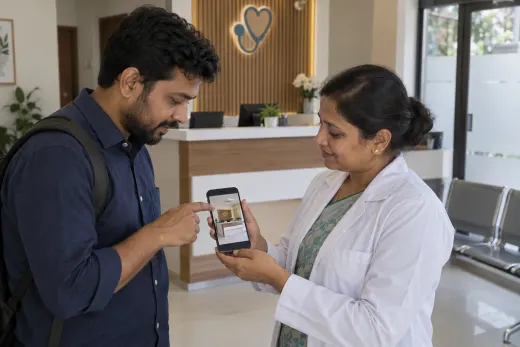
A strong-looking graphic can still be unsuitable as a medical advertisement. It may imply that the viewer has a health condition, use a patient's image improperly or direct enquiries into an unprotected comment thread.

Common problems include:
Advertising should inform people, not exploit health concerns.
Clear creative:Approved service information communicates what the clinic actually offers and where it operates.
Appropriate audiences:Ads should respect Meta's rules and never suggest the clinic knows a viewer's private health status.
Better destination fit:A relevant branch or service page lets someone verify details before contacting reception.
Clear spending:Ad-set budgets show how much each group of messages may spend, helping managers approve costs.
Honest reporting:Managers see how many people were reached, clicked or made a suitable enquiry—without using their medical details.
Delivery and approval remain subject to Meta's review systems and changing platform conditions.
Someone scrolling Facebook may see an approved clinic announcement without having searched for its services. They still need to verify real doctors, locations and contact details before acting.
Typical journey: Eligible ad → factual clinic information → branch/doctor verification → suitable contact route.
Creative can use clinic-approved Bangla or English where appropriate. Location-specific messages must match actual facilities; a campaign should not imply an unavailable specialty is offered at every branch.
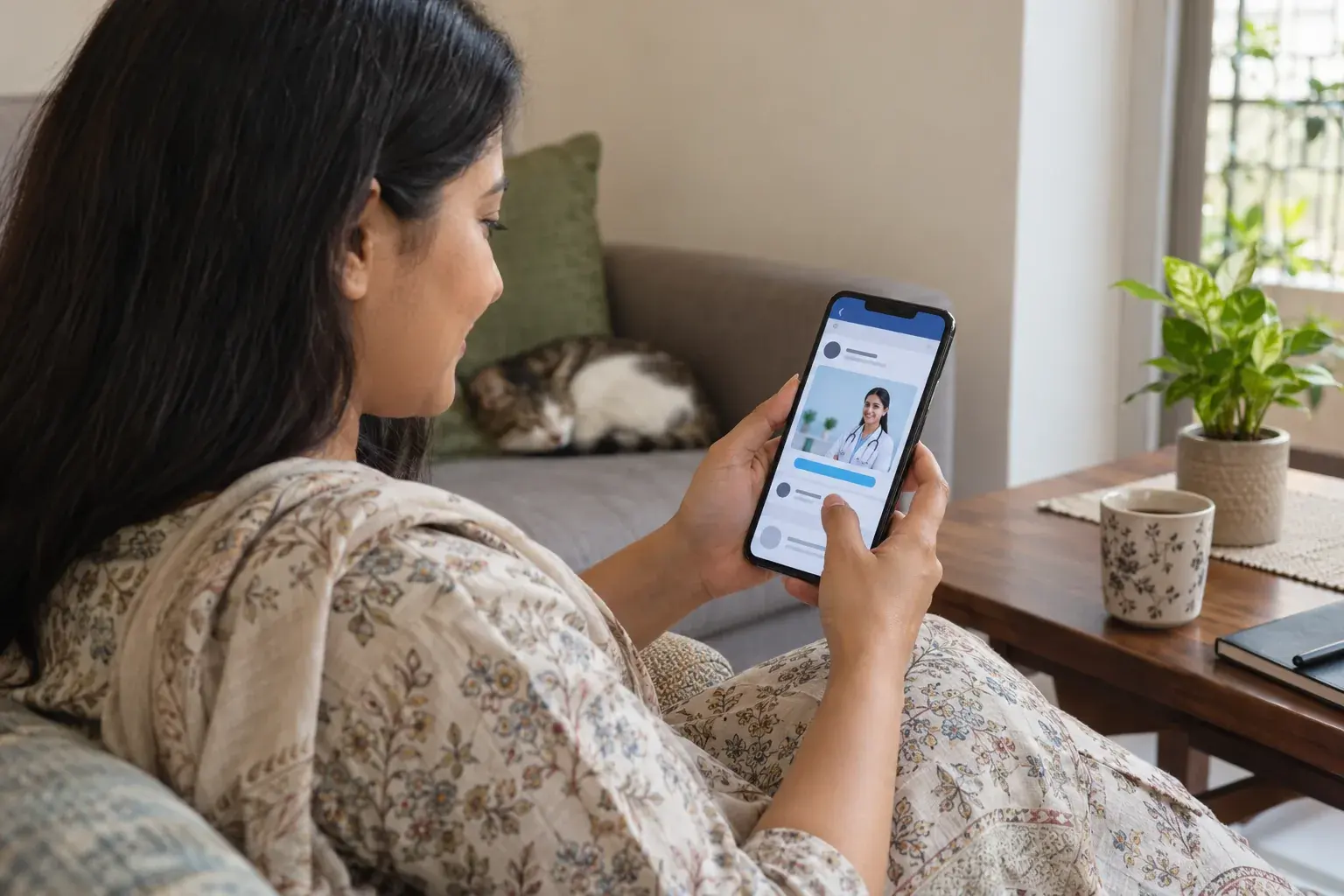
Meta advertising rules restrict ads that assert or imply a person's health condition or other sensitive personal attribute. Wording should explain the clinic service without addressing the viewer as though a diagnosis is known.

Lead forms must respect Meta's restrictions on medical history and sensitive health information. Patient stories and images need privacy, rights and professional review.
BM&DC considerations may apply to how named doctors are promoted. Approval by Meta alone does not establish that a Bangladesh clinic promotion meets professional or legal requirements.

Monwara Moni, Co-Founder, contributes content strategy, communication and creative review to paid-social message planning. Medical claims remain under qualified clinical review; Monwara is not presented as a healthcare professional.
Confirm the real clinic, service, destination and audience. Check Meta healthcare rules before spending.
Choose an approved website visit or suitable enquiry goal without guessing anyone’s medical condition.
Prepare real service and branch imagery. Clinic and clinical reviewers check claims and permissions.
Lead visitors to accurate information and a safe contact route, not public sharing of symptoms.
Agree ad-set budgets and test event tracking for permitted site actions. Check that forms never send sensitive medical details to Meta.
Review ad approval, spending and ad fatigue—when repeated messages lose usefulness. Record which message or audience changed and why.
| Intended message | Sensible treatment |
|---|---|
| General facility introduction | Accurate location and service overview |
| New branch operating hours | Verified branch-specific factual notice |
| Educational healthcare topic | Qualified review; avoid individual diagnosis |
| Personal-condition targeting | Rework or stop pending policy review |
An effective ad does not require alarming imagery or personal-attribute assumptions. Policy eligibility comes before testing creative variants.



Consider it when the clinic has genuine services to explain, a compliant message, suitable public information and a budget for a carefully controlled pilot.
If account ownership is uncertain, medical claims lack approval or only patient-sensitive audiences are proposed, stop and review first. For an unmanaged organic page, Clinic Social Media Marketing may be the more urgent step.

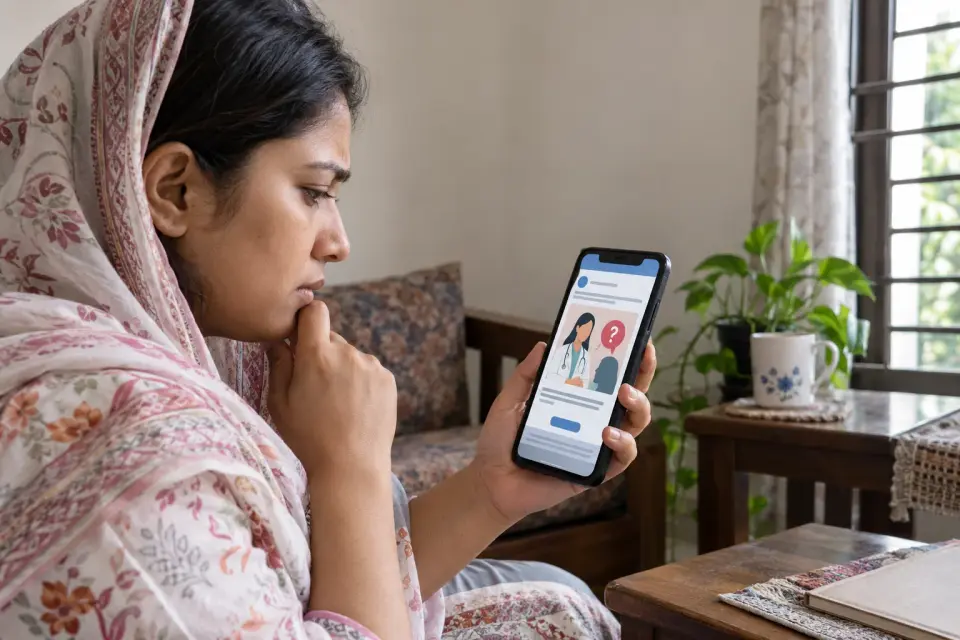
Imagine a paid clinic post asking a viewer whether they suffer from a named condition, followed by an urgent appointment message. That wording risks an improper personal-attribute assumption.
A safer message would explain a real service and contact route without diagnosing the viewer. This is hypothetical, not platform preapproval.
Track how many people were reached, what was spent, link clicks, suitable contact actions and review problems by date. Compare creative changes only within appropriate campaign scope.

Do not claim that a message response is a completed consultation. Remove clinical details from campaign exports and seek consent for any genuine case study.
Responsible creative: The clinic's real services and professional limitations guide the message, not fear-based persuasion.
Safer launch decisions: We check who may see an ad, what the form asks and whether the linked page explains the clinic clearly.
Clear ownership: Content, clinic facts, clinical checks and account permissions have distinct approvers. Results are reported without guaranteed leads or invented performance.
It includes planning approved Facebook ads, drafting truthful clinic messages, checking destination pages, setting budgets and reporting results.
No. Social Media Marketing covers organic communication; this service manages approved paid Meta advertising.
Meta restricts ads that assert or imply sensitive personal attributes, including health conditions.
Not as a default tactic. Patient-health information requires strict privacy, consent and applicable platform-policy review.
Only after genuine evidence, rights, privacy, clinical ethics and Meta policy checks; some uses may remain unsuitable.
No. Platform reviews, enforcement and available placements can change.
No. Impressions, clicks, enquiries and completed visits are different events, and results cannot be guaranteed.
The authorised clinic owner approves budgets and organisational facts; qualified clinicians review material clinical claims.
Review the audience, message and website page before spending. Dr RankUp can scope Clinic Facebook Ads within applicable policy and privacy limits.

Founder & SEO Consultant, Dr RankUP
Review Your Clinic Facebook Ads Plan